Greece
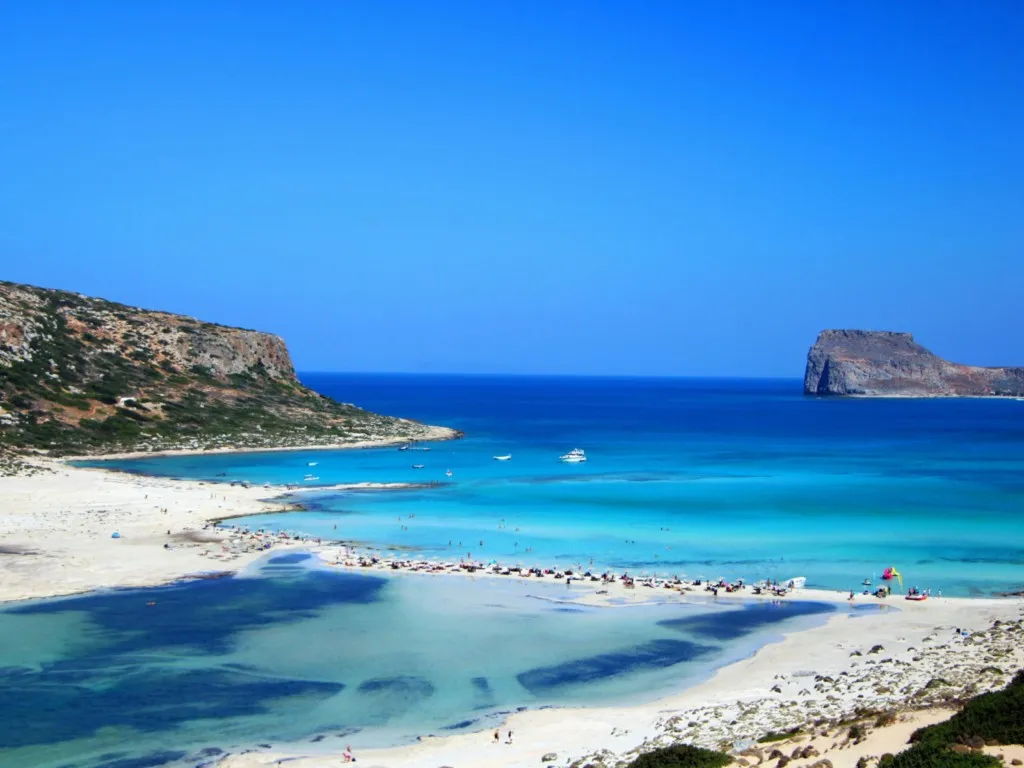
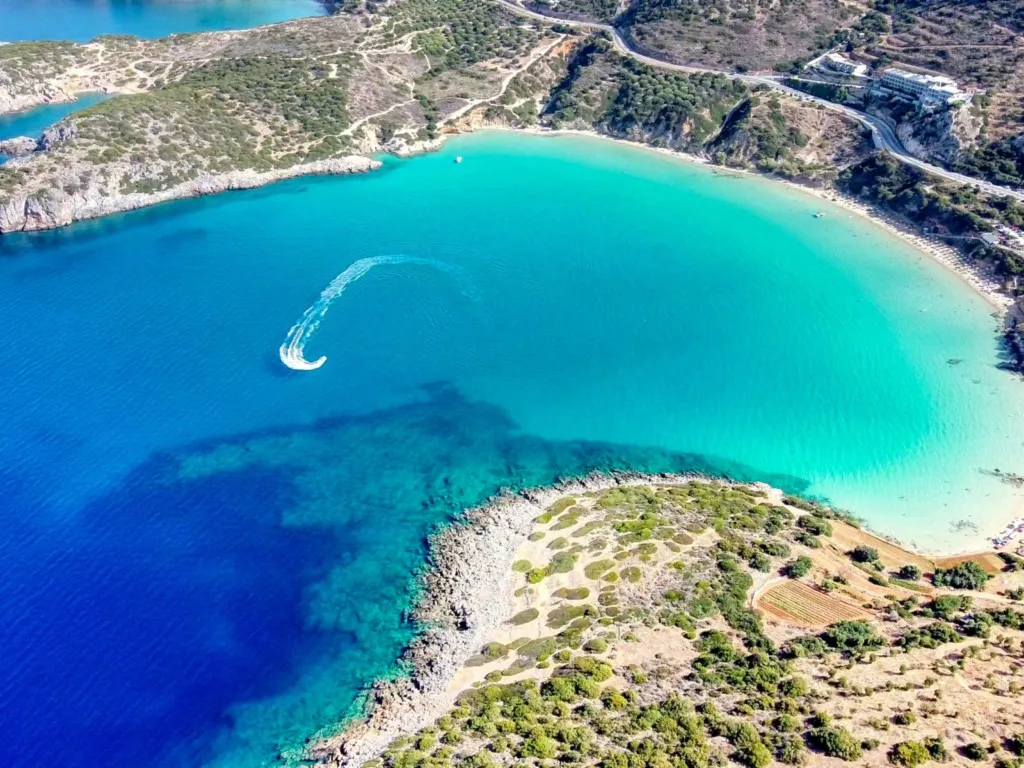
131,957 km2, 11.2 mln inhabitants 9,000 islands and isles, including 200 inhabited on Mountainous areas account for 80% of the territory
Mount Olympus' peak rises to 2,917 m 6,000 plant species, including 4,500 wild ones, with 800 of these endangered
900 wildlife (animal) species, including 200 endangered
25 March celebrated as Independence Day, to mark the revolts that broke out on the Greek mainland against Turkish rule in 1821 and
28 October, second most important national holiday
Capital city: Athens, with a population of 4 million Currency: euro 97% of the population are Orthodox Christians
Neighbouring countries: Turkey, Albania, the Republic of Macedonia (or the Former Yugoslav Republic of Macedonia (FYROM),
as the Greeks choose to call it) and Bulgaria
Greece is the cradle of the Olympic Games.
Modern Greece has been a member state of the European Union (initially known as the European Communities) since 1981.
Unesco sites
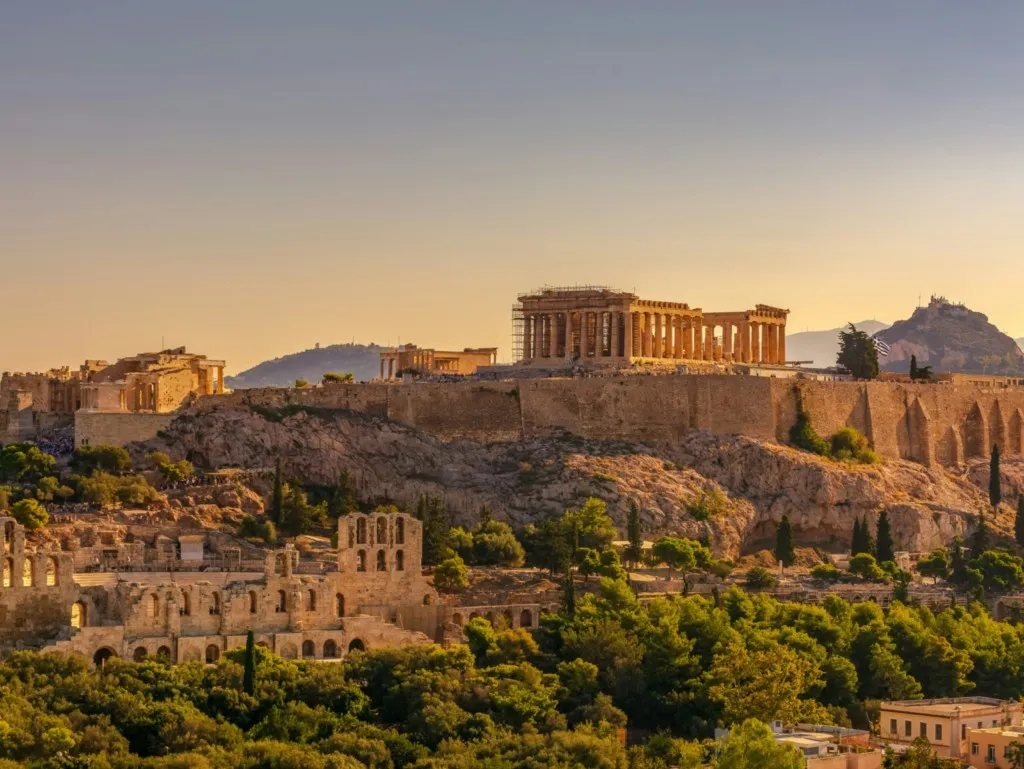
Acropolis of Athens
Epidavrus theater
Archological site of Vergina
Dafni & Ossios Loukas monasteries
Olympia
Delphi
Mistra
Mycenae
Corfu
Philippi
Delos
Temple Apollo Epikourios à Bassae
Meteores (natural & cultural heritage)
Mount Athos (natural & cultural heritage)
Rhodes
Chios
The monastery of Saint John the theologien & the cave of the Apocalypse, Patmos island
Pythagoreion & Hareion of Samos